Panama City: The Full Trip
Panama City doesn’t announce itself the way you expect. The name sounds like a canal town, a transit point — ships, businessmen, connecting flights. What you actually find, once you spend a few days on foot moving through its neighborhoods, is one of the most genuinely interesting cities in the Western Hemisphere. It is a city where several different versions of Latin America are all happening at once, in close proximity, without much friction between them. Old colonial streets that haven’t changed in three centuries sit a ten-minute cab ride from gleaming glass towers. A neighborhood of expat professionals is two blocks from a block of family-run bodegas. Chinese-Panamanian restaurants, Cuban spots, modern fusion chefs, and street carts are all operating in the same city, often in the same neighborhood. It’s loud and fast and layered and it hasn’t figured out it’s supposed to be famous yet. We spent a week there in late June 2021 and came back wanting two more.
We went looking for neighborhoods. We found food along the way — and we’ve written separately about most of those specific spots — but this post is about the city itself. What each part of it feels like, who’s there, and what it’s like to walk through a place that doesn’t show up on most Americans’ travel radar.
Getting There
We took the redeye out of SFO — the kind of flight where you board in the dark and try to sleep through it. Copa Airlines flies it nonstop and the route is about as straightforward as a long-haul trip gets. Seven hours to Tocumen International Airport, which is bigger and better-organized than most people expect. Panama runs on Eastern Time with no daylight saving, so there’s no real jet lag from California — by the time you’ve checked in, your body has just decided it’s had a strange night.
First impressions from the taxi: the heat already building even in the morning, the highway like any other highway, and then suddenly — the skyline. A wall of glass and steel rising straight up from the Pacific. Those towers appear out of nowhere as you come in from the east, and they are not subtle about it. You don’t expect it, and then you can’t look away.
Where We Stayed: Punta Pacífica
We based ourselves in Punta Pacífica, the upscale peninsula district on Panama Bay that holds most of the city’s international hotels. It’s the part of Panama City that looks like the photos — high-rise towers, manicured waterfront walkways, a few excellent restaurants, and a general sense that people here are doing quite well for themselves. This is not an organic neighborhood; it’s a planned district of glass and concrete that grew up quickly in the early 2000s. But it is polished, convenient, and gives you easy access to every other part of the city.
We split our stay between two hotels, both in Punta Pacífica. The JW Marriott Panama sits right on the waterfront with two infinity pools and views straight across Panama Bay — we wrote more about the pool and the Azul Pool Bar separately. For a few nights we also stayed at the AC Hotel Panama City, a few blocks away in the same neighborhood. The AC is more streamlined — modern, clean, no resort amenities, but all the location advantages and considerably easier on the budget. Both came in at prices well below what you’d pay for comparable rooms in a major US city. The JW Marriott is a splurge, but a manageable one by any standard.
Punta Pacífica is expat territory. You will hear English in the hotel lobbies and at the waterfront restaurants. The crowd is international business travelers, well-traveled tourists, and wealthy Panamanians who actually live in the towers. It is comfortable and convenient and somewhat removed from the real texture of the city — which is exactly why you need to leave it regularly. The neighborhoods where Panama City actually lives are all a short cab ride away, and that’s where the trip really happens.
The Amador Causeway
The Amador Causeway — the Calzada de Amador — was our first real outing, the morning after we arrived. Three small islands connected to each other and to the mainland by a road built from rock and earth excavated during the construction of the Panama Canal in the early 1900s. The US Army Corps of Engineers built it to protect the canal entrance from Pacific swells. It is now one of the most visited spots in the city and also one of the most genuinely democratic — on a weekend morning it belongs equally to joggers, families on rented bikes, tourists with cameras, teenagers with nowhere else to be, and older couples walking it like they have every Sunday for years. Admission is free. Everybody is there.
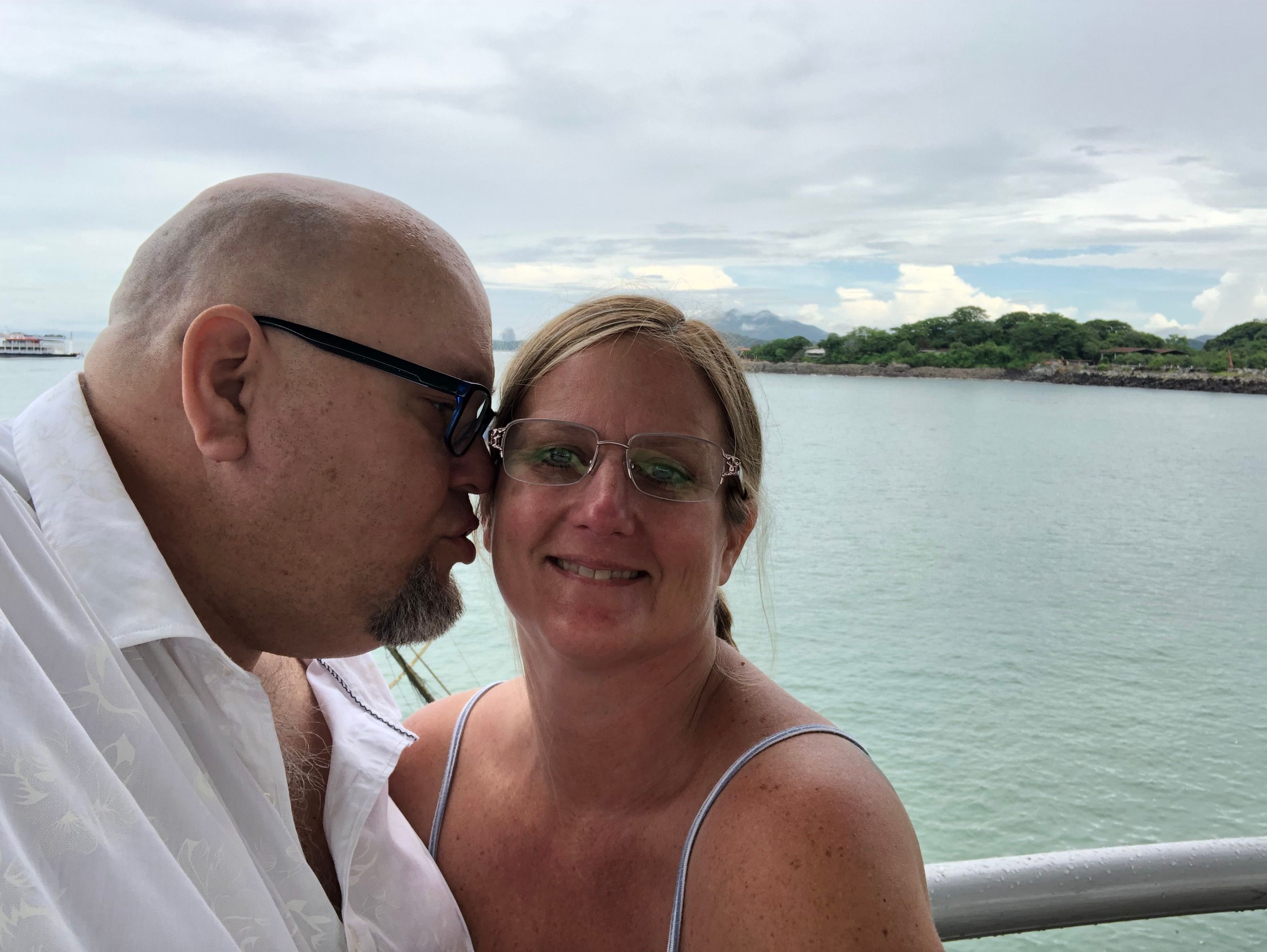
Standing anywhere on the causeway, you get the full city panorama: the towers of Punta Pacífica and Punta Paitilla rising to the northeast, the Bridge of the Americas arching over the canal entrance to the west, container ships moving slowly in both directions, the Las Perlas archipelago visible on the horizon on a clear day. There’s no reason to rush any of it. We walked all the way out to Flamenco Island and back — longer than it looks. Rent a bike at the Naos end if you’d rather cover it on wheels, which is probably the smarter call. The far end has a cluster of casual restaurants, a marina where boat tours depart for the islands or into the canal, and a small shopping area. A half-day boat trip out to Las Perlas is at the top of the list for a return visit.
An Afternoon at the Pool
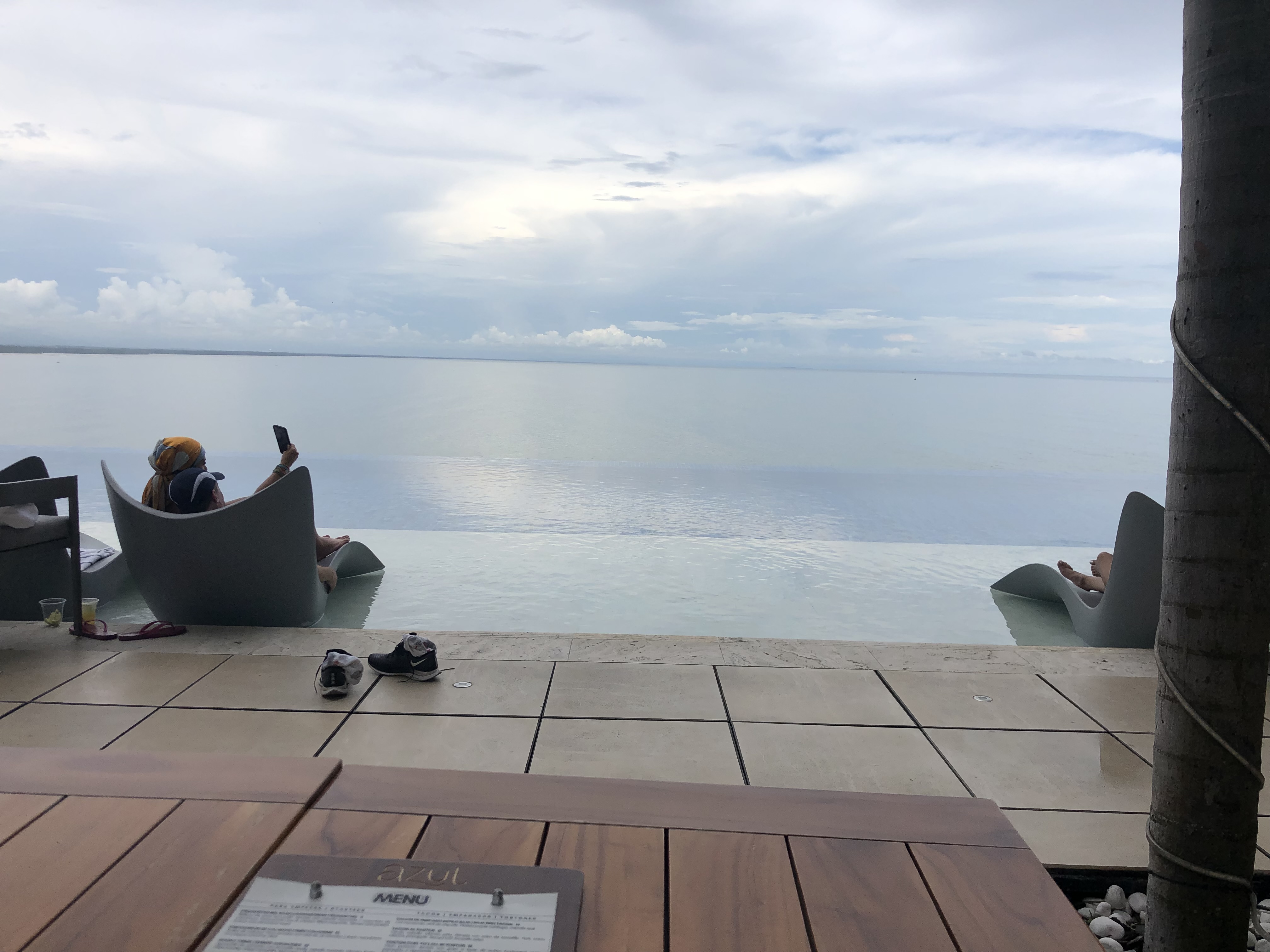
On the afternoons we weren’t out exploring, we came back to the JW Marriott pool and didn’t leave. The Azul Pool Bar occupies the edge of the infinity deck with Panama Bay directly in front of you — two pools, sculptural lounge chairs at the water’s edge, and a food and drink menu that punches well above pool-bar expectations. Cocktails run $8–12. The full story is in this post. The short version is that it is the kind of afternoon that makes you adjust how quickly you’re willing to leave a city.
Casco Viejo: The Old City
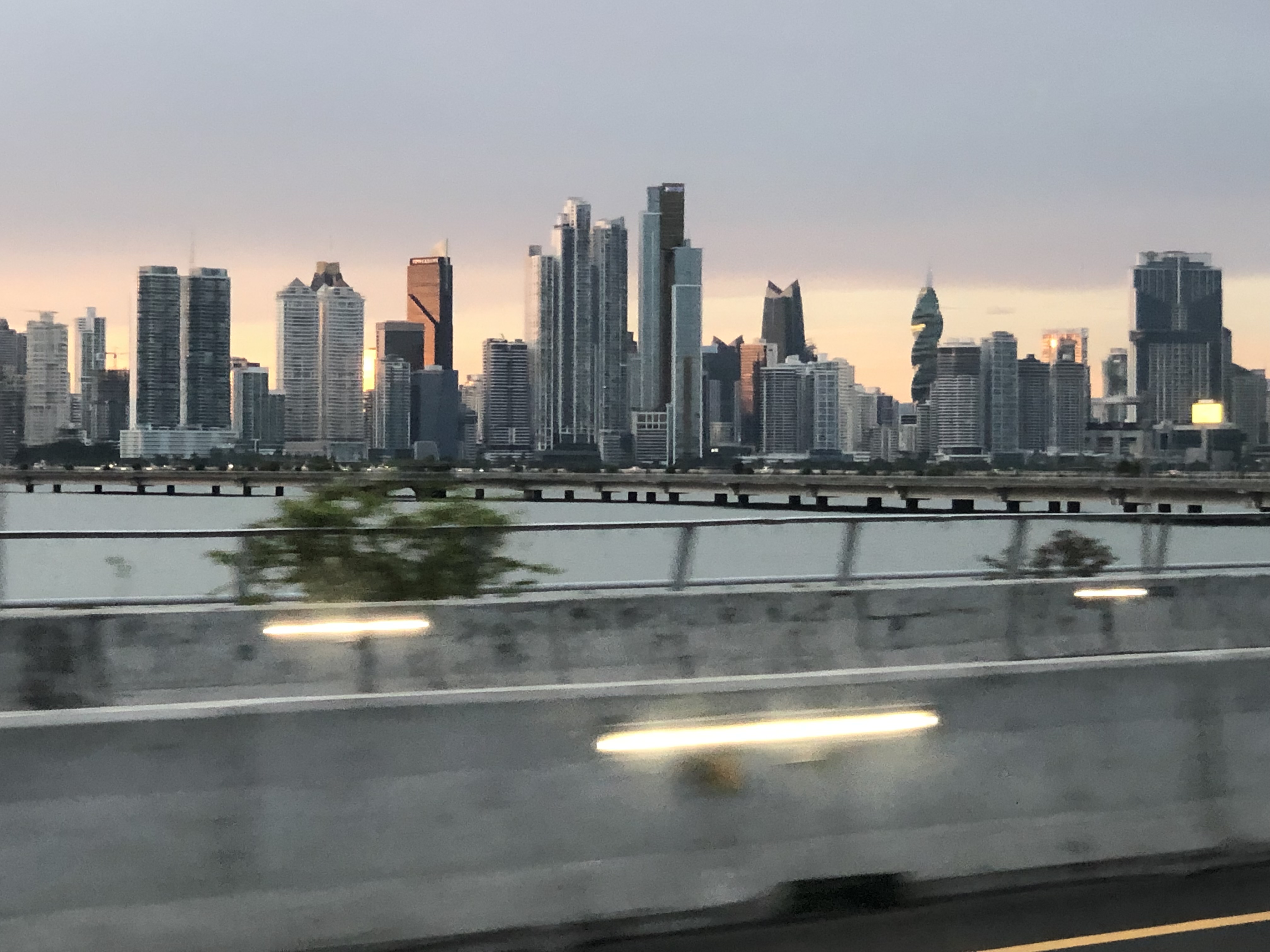
If Punta Pacífica is Panama City’s future, Casco Viejo is everything that came before it. The old quarter was founded in 1673 after pirates destroyed the original city, and its colonial grid of streets hasn’t changed much in the centuries since. It sits on its own small peninsula at the southern tip of the city — UNESCO World Heritage, technically — with the modern skyline to the north and the Pacific to the south. The geographic position alone is absurd, and you feel it the moment you step out of a cab.
What makes Casco Viejo unlike most colonial historic districts is that it is not a museum. Renovation money has been flowing in for years — there are boutique hotels now, rooftop bars, galleries, and restaurants doing serious work in buildings that still look half-finished from the outside. But the families who lived there before the renovation arrived are still there. Local kids cutting through the Plaza de la Independencia on bikes. A bodega operating next door to a craft cocktail bar. The Metropolitan Cathedral attended on Sunday by the same mix of tourists and lifelong parishioners it has always had. It is not a neighborhood that has been handed over entirely to visitors, and that is exactly what gives it its energy.
The streets are walkable and uneven, lined with buildings in various states of being: some fully restored and gleaming, some mid-project under scaffolding, some still carrying decades of patina and somehow more beautiful for it. The smell changes block to block — rain on old stone, something grilling, sea air drifting in from the bay. We spent our third evening there entirely on foot with no particular plan, covered maybe a square mile, and it took four hours. We could have stayed longer. This is the neighborhood where the mix of income levels, backgrounds, and generations is most visible — long-time residents alongside new arrivals, tourists alongside people who were born on the street they’re standing on.
El Cangrejo: Where the City Eats Breakfast
El Cangrejo is the neighborhood nobody puts on a Panama City itinerary, and it might be our favorite part of the city. It sits just west of Punta Pacífica — a 20-minute walk through normal city streets or a short cab ride — and it has the feel of a place where the upper-middle-class city actually lives rather than performs. This is the neighborhood of Panamanian professionals: lawyers, doctors, mid-level expats, families who have been in the same apartment building for two generations. It is not a tourist neighborhood and it doesn’t try to be. Via Argentina, the main commercial strip, is lined with restaurants, coffee shops, pharmacies, banks, and modest storefronts that turn out to have very good food inside.
The street life is genuinely pleasant in a way that feels earned rather than manufactured. Older men playing dominoes outside a café. Office workers picking up lunch. A fruit cart on the corner. Children in school uniforms. The scale is human and the pace is manageable, and the neighborhood feels comfortable with itself in a way that tourist districts never quite do. Nobody is performing for you here. They’re just going about their day, and you’re welcome to walk through it.
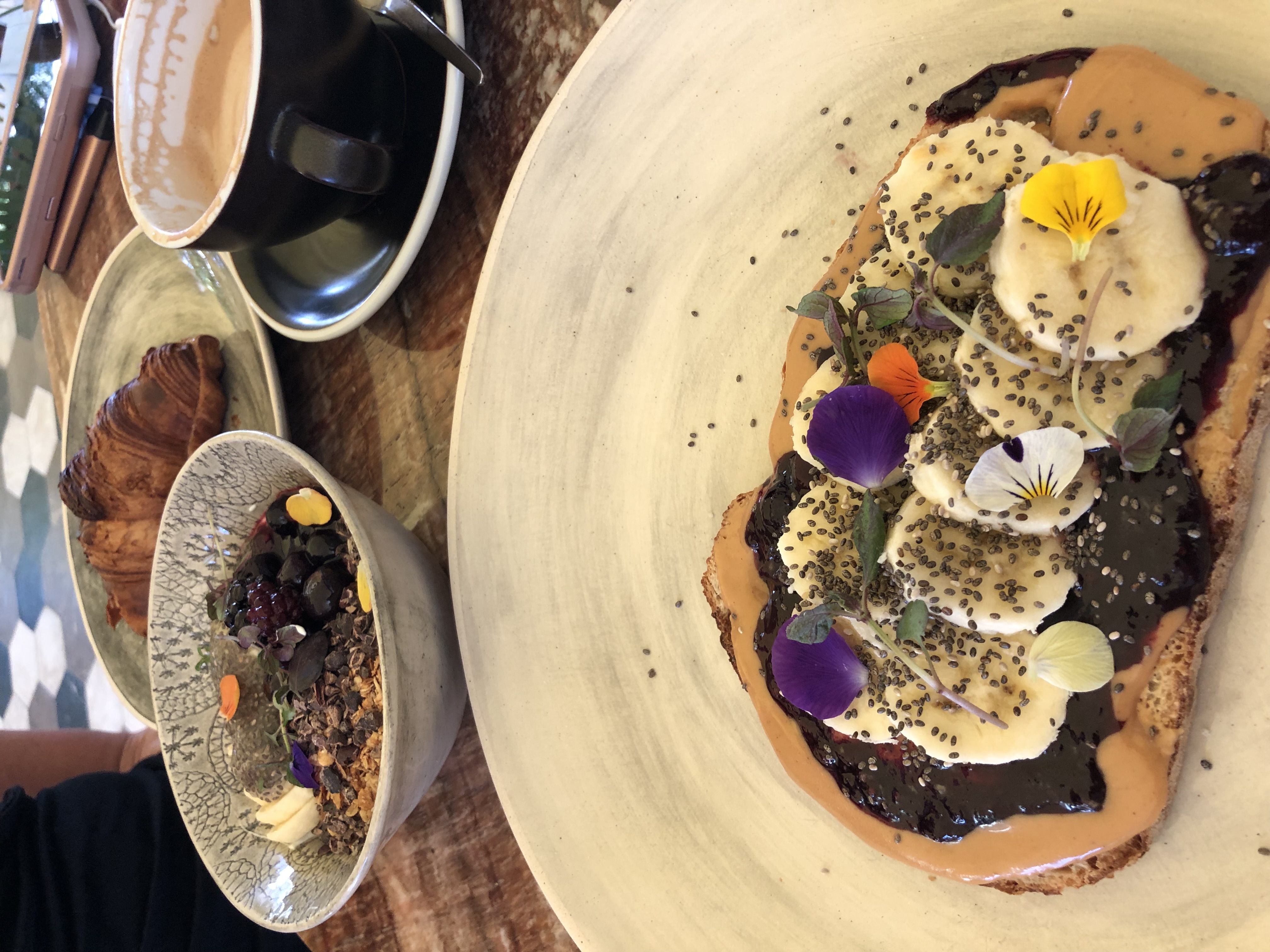
We started one morning at Brew Coffee Company, tucked into the Santa Elena Strip Mall on the edge of El Cangrejo — the kind of place that doesn’t signal itself from the outside and doesn’t need to. They roast their own beans, the coffee arrives in real cups with actual latte art, and the food — toast with edible flowers and banana and chia, granola bowls, croissants — is the kind of breakfast you’d pay considerably more for in San Francisco and feel virtuous about. Here two coffees and full plates came to around $10. We sat for two hours while the neighborhood came awake around us and the hexagonal tile floor filled up with regulars who clearly do this every single day. Full post here.
That same afternoon we walked Via Argentina without a plan and eventually turned down a side street and found El Rincón Habanero — a small Cuban restaurant that stopped us in our tracks. The kind of place that exists because someone wanted to cook the food they grew up with, in a neighborhood that gives that kind of thing room to exist. It fit El Cangrejo perfectly: unpretentious, local, very good, and priced like a neighborhood restaurant rather than a tourist attraction. Full post here.
The people throughout El Cangrejo — and really throughout Panama City — were warm in a way that felt genuine rather than transactional. Not the performed hospitality of a tourist district, but the casual friendliness of a city that has always had people from everywhere and doesn’t make a production of it. Servers who take time to explain a dish. Shopkeepers who give you directions without being asked. A cab driver who spent twenty minutes telling us the history of a neighborhood we were passing through. It’s one of those cities where you leave feeling like you were actually welcomed, not just processed.
San Francisco: The Creative End of the City
The San Francisco neighborhood — on Calle 69 Este, east of the hotel district — is where the city’s creative energy seems to be concentrating right now. The demographic here skews younger than El Cangrejo, more mixed in background, and more obviously in the middle of becoming whatever it’s going to be next. You see it in the street art covering building walls, in the independent restaurant concepts that don’t look like anything else, in the mix of residential towers and converted warehouses and small art spaces in storefronts. It is not a wealthy neighborhood but it has the kind of energy that shows up before a neighborhood becomes one. Middle class shading into creative class, with a few blocks that feel genuinely up-and-coming.
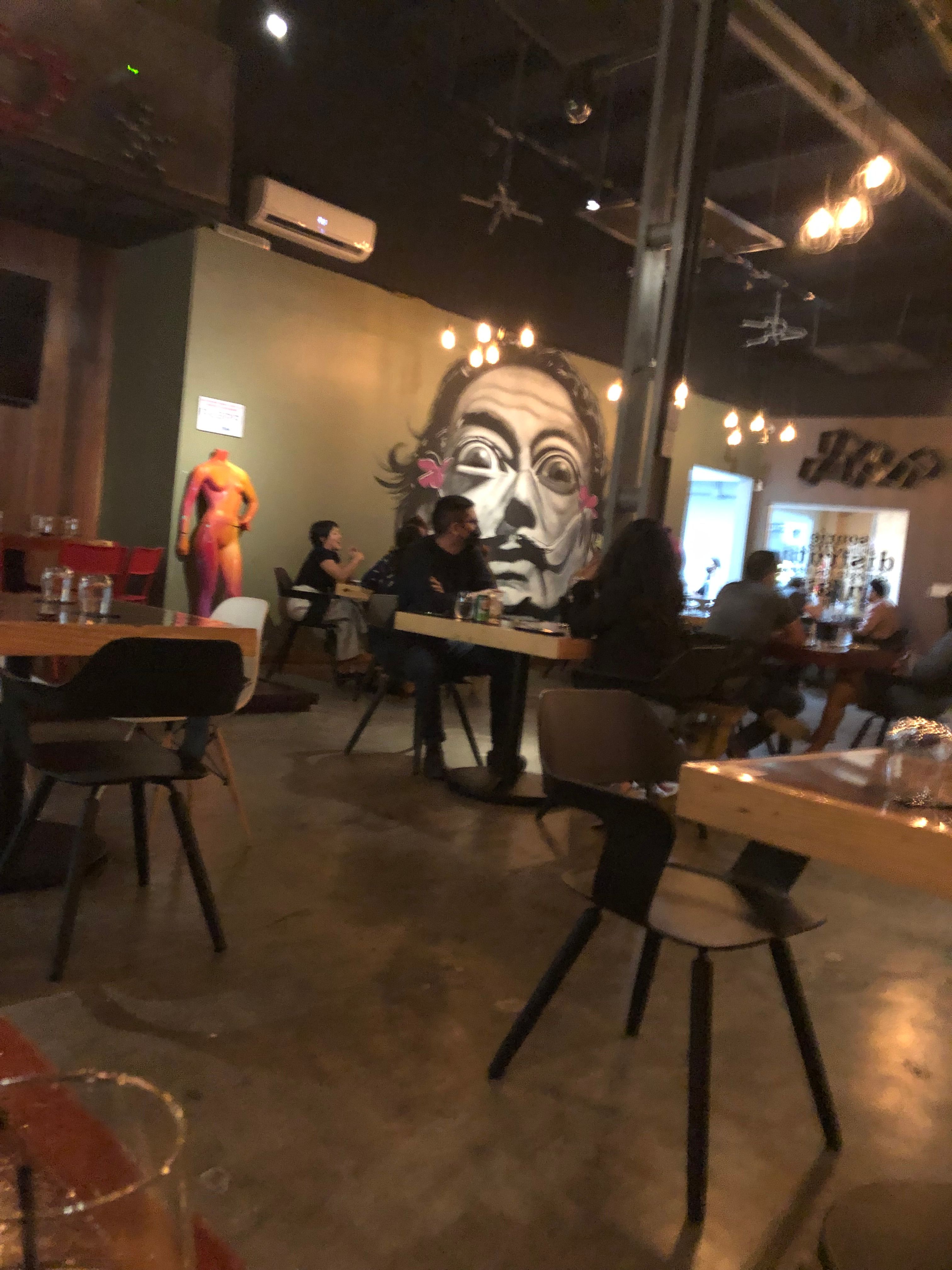
We went to San Francisco for 5inco Comida Urbana on Calle 69 Este and went back a second time because the first visit wasn’t enough. The space tells you something about the neighborhood: a Salvador Dalí mural covering the back wall, industrial ceiling, Edison bulbs overhead, logo-branded bao buns arriving in bamboo steamers. A chef doing Asian-Latin fusion in a way that doesn’t feel like a concept — it feels like someone who actually loves both cuisines and figured out how to make them talk to each other. The dumplings and the bao buns are what we’re still talking about. Dinner for two with drinks came to around $35. Full post here.
Sama Sky Lounge and a Night Back in Casco Viejo
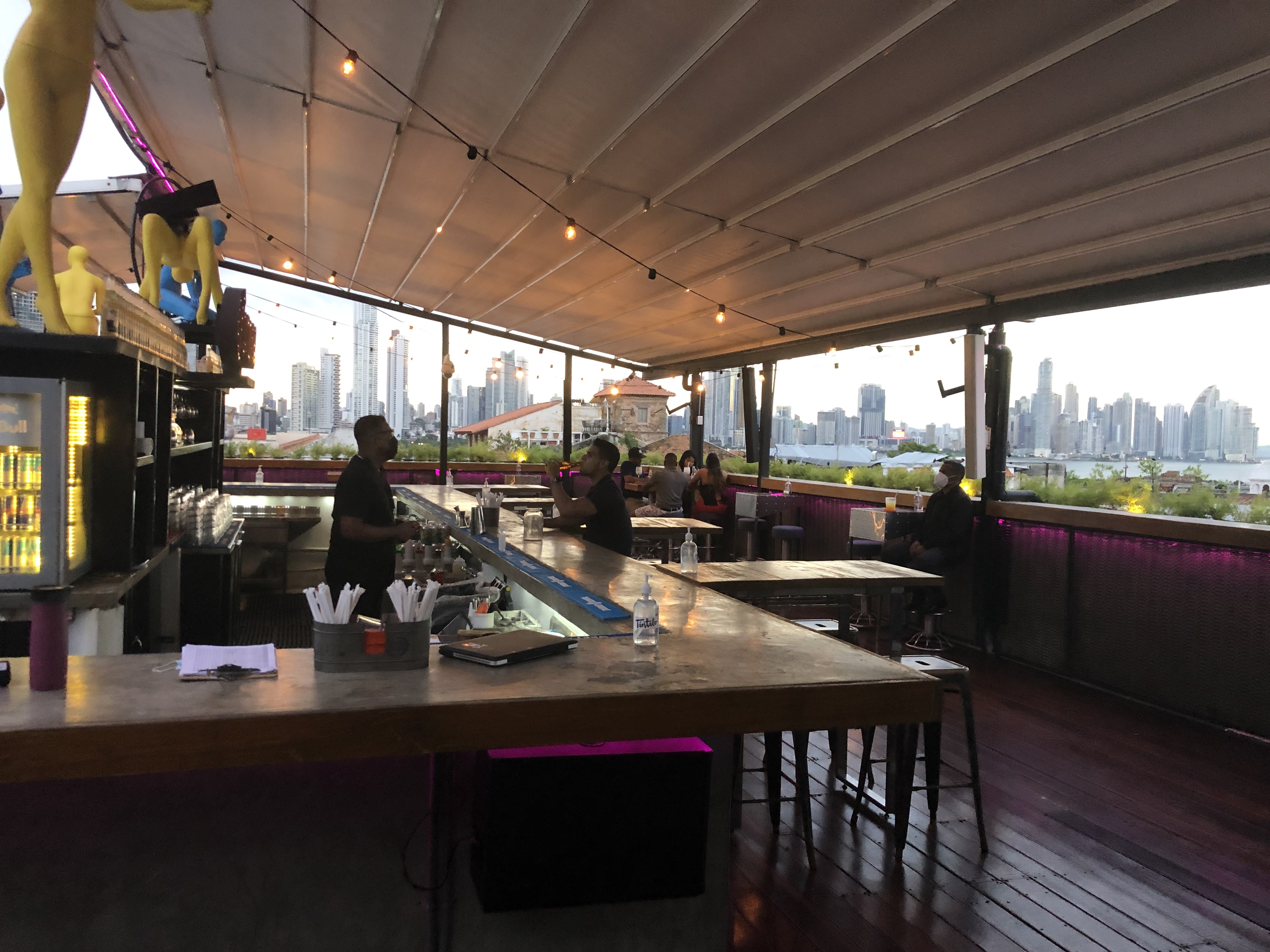
We went back to Casco Viejo on our fifth night specifically for Sama Sky Lounge, on the roof of the Oasis Hotel on Calle 9a Este. The rooftop sits at the highest point in the neighborhood and the views run in every direction — the terracotta rooftops of the old colonial blocks directly below, the modern skyline of Punta Pacífica rising to the north, the bay to the east, the Pacific to the south. At sunset it is, without exaggeration, one of the better views available anywhere in the city.
The crowd at Sama on a weekend evening is a useful snapshot of what Panama City actually is: Panamanian families celebrating something, young professionals doing post-work drinks, tourists who found their way up here, expats who treat it like their regular bar. The mix is easy and unselfconscious in a way that doesn’t happen in cities where the social layers don’t overlap. String lights overhead, pink neon on the railings, a yellow sculpture at the bar, a cocktail menu that takes itself seriously — cocktails run $10–14. The vibe is somewhere between Miami rooftop and neighborhood backyard party, and somehow it works. Everything about it is in this post.
A Day Out of the City
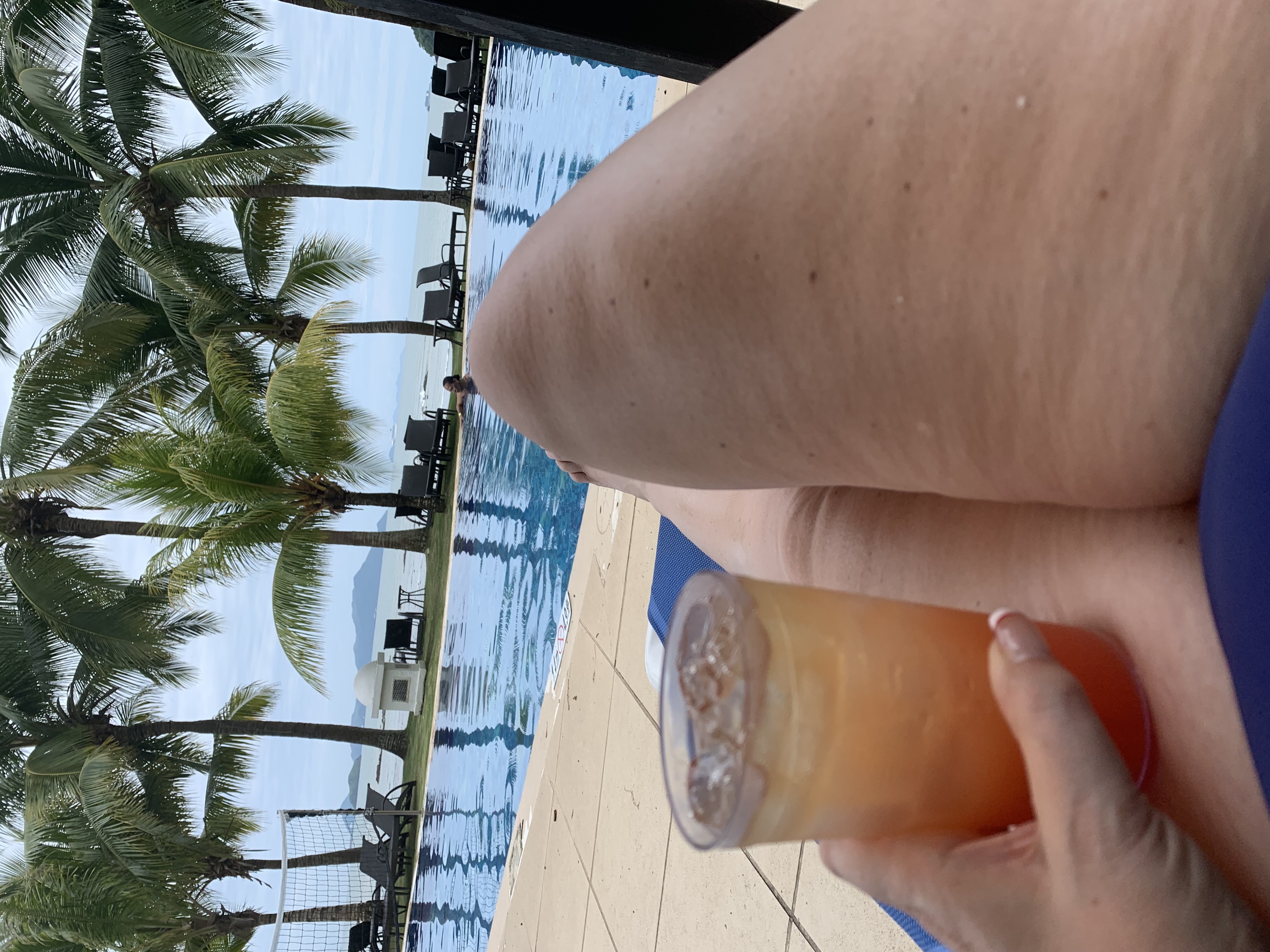
Midweek we took a day away from the city entirely — a resort along the Pacific coast west of Panama City, near the Bridge of the Americas, less than an hour from Punta Pacífica. Panama City is a city that grabs you and doesn’t really let go, and it helps to step out of it for a morning and just sit somewhere quiet with open water in front of you. We were back in the city by early afternoon, recharged for whatever the evening had in it.
The Last Morning
Departure day we had just enough time for coffee on the balcony before the cab came. From up there you get the full picture in one glance — the Pacific, the towers of Punta Pacífica rising on both sides, the bay curving toward Casco Viejo in the distance. The kind of view that makes you want to cancel the flight and walk back into the city for another week. A week in Panama City goes fast. The city has enough in it that you could spend twice as long and still not cover it properly. What we’d do differently next time: more days on foot in Casco Viejo, a full bike day on the Amador instead of walking it, and a proper visit to the Miraflores Locks to watch ships transit the canal. First on the list for a return trip.
Worth the Trip
If you’re deciding whether Panama City deserves a flight from the US West Coast — it does, clearly. The SFO–PTY route is easy and relatively short, the city is genuinely interesting at every level, and the food scene is excellent and dramatically undercovered in American travel media.
The cost is a real part of the pitch and worth saying plainly. Hotel rooms in Punta Pacífica — including at the JW Marriott — run well below what comparable US city hotels charge. A good dinner at a well-regarded restaurant, the kind of place doing genuinely creative work in a thoughtful space, typically came in at $20–30 a head including drinks. Brew Coffee charged us around $10 for two coffees and full breakfast plates. Cocktails at a rooftop bar with some of the best views in the city ran $10–14. Cabs across the city cost a few dollars. Street food and neighborhood lunch spots are even less. For a destination that looks and feels like a major international city, your money goes remarkably far — and you don’t have to make many compromises to make a week there work on almost any budget.
We’ve posted separately about the specific spots — the JW Marriott pool, Brew Coffee, El Rincón Habanero, Sama Sky Lounge, and 5inco Comida Urbana all have their own posts if you want the details on any of them. This is the overview. Panama City deserves more than an overview, but it’s a start.